

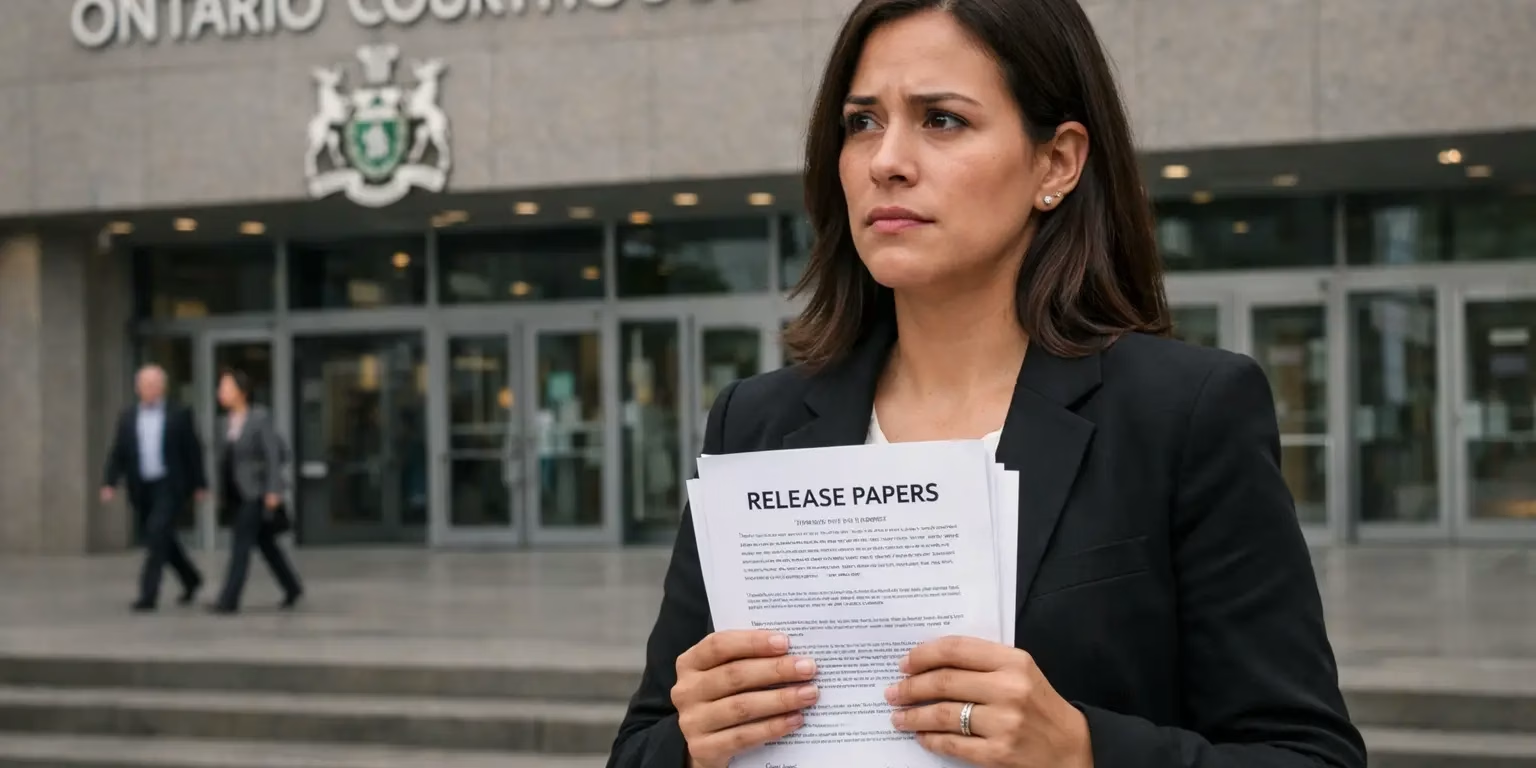
First court appearance in Ontario can feel intimidating, especially if you have never been charged before. Most people picture a dramatic courtroom moment, a full argument, or a final decision about guilt. In reality, that is usually not what this date is about.
Your first court date is often more practical than people expect. It is usually about getting organized, understanding the allegation, dealing with disclosure, confirming representation, and moving the case forward properly. That sounds simple, but mistakes made early can affect everything that comes next.
If you have been searching for “first court appearance in Ontario” because you are worried about what happens next, this guide breaks it down in plain language. It also explains why it is often smart to speak with a lawyer before you make assumptions, answer questions too freely, or rush into a decision that could affect your record, employment, travel, and future record suspension options.
For a broader overview of the firm’s criminal defence work, you can review Kisel Law’s practice areas or learn more about Nicole Kiselyov before your court date.

Why your first court appearance in Ontario matters more than most people think
A first court appearance in Ontario is not usually the day your case is decided. Still, it matters because it sets the tone for how your file will move through the system.
At this stage, the court wants to know whether you are present, whether you have a lawyer, whether disclosure has been requested or received, and what the next step should be. If you are organized, respectful, and properly advised, the process usually becomes more manageable. If you are confused, late, missing paperwork, or speaking without understanding the consequences, your case can become harder than it needs to be.
This is also where many people first realize that a criminal case is a process, not a single event. There can be multiple appearances before resolution discussions, motions, a judicial pre-trial, or a trial date are reached.
That is one reason people charged with offences involving domestic assault, criminal harassment and threats, drug offences, or search warrants should not assume their first date is only routine paperwork. Early strategy still matters.
What happens at a first court appearance in Ontario?
In most cases, a first court appearance in Ontario is about information, not a full contest over the facts. You may confirm your name, hear the matter called, speak briefly through counsel or on your own behalf for scheduling purposes, and deal with disclosure or the next court date.
If you were released by police, your release document should list the date, time, and location of your appearance. If you were held for a bail hearing and then released, you may still have a first appearance later as your case continues.
Depending on the courthouse and the status of your file, a few key things may happen:
You may receive or follow up on disclosure. You may speak with duty counsel. You may confirm whether you intend to retain a lawyer. You may ask for time to review the case. The court may then adjourn the matter to another date.
For many out-of-custody cases where counsel is retained early, Ontario’s current case-management approach can reduce repeated short appearances. That is one reason hiring counsel early can make the process more efficient.
Is a first court appearance in Ontario the same as a trial?
No. A first court appearance in Ontario is not your trial.
Witnesses are usually not testifying. Police officers are usually not being cross-examined. The judge is not usually hearing your full side of the story in the way people imagine from television. In most cases, this date is administrative and procedural.
That does not mean it is unimportant. It means you should approach it with the right expectations.
Do you have to plead guilty at your first court appearance in Ontario?
Usually, no. Many people do not enter a plea at their first appearance because they have not yet reviewed the disclosure carefully or received proper legal advice.
A rushed guilty plea can create long-term consequences. That is especially true if the allegation may involve weak identification, credibility issues, problematic searches, or possible Charter issues. Before you make any major decision, you want to know what the Crown’s case actually looks like.
First court appearance in Ontario vs. bail hearing vs. trial
One of the most common points of confusion is the difference between these stages. Here is a quick breakdown:
| Stage | Main purpose | When it happens | What to expect |
|---|---|---|---|
| Bail hearing | Decide whether you will be released from custody | Usually right after arrest if police do not release you | Arguments about detention, release plan, sureties, and conditions |
| First court appearance | Organize the case and move it forward | After release papers are issued or after bail | Disclosure, representation, scheduling, and next steps |
| Trial | Determine guilt or innocence | Much later if the matter is not resolved | Witness testimony, evidence, legal arguments, and verdict |
If bail is part of your situation, Kisel Law’s article on successful bail hearings is worth reviewing as well, because a bail hearing and a first court appearance in Ontario are related but not the same thing.

What should you do before your first court appearance in Ontario?
Preparation makes a big difference.
Start with the basics. Bring your release paperwork. Make sure you know whether the appearance is virtual or in person. If it is in person, arrive early. If it is virtual, treat it like a real courtroom appearance because it is one.
It also helps to have your contact details updated and easy to access, along with any documents that may matter for release conditions, scheduling, or legal aid questions. If English or French is a barrier, request an interpreter as early as possible. Ontario provides useful public guidance on going to criminal court, getting a court interpreter, and practical first-appearance preparation through Legal Aid Ontario.
Another smart step is to write down the questions you want answered before you go. For example:
Do I already have disclosure? Is there a no-contact or no-go condition I need to be extra careful about? Do I need counsel before the next date? Is this a case where early resolution might be discussed, or is the priority a full defence review first?
If you are unsure about any urgent issue, Kisel Law’s article on 24 hour legal advice explains why fast legal guidance can matter when a charge is fresh.
How disclosure affects your first court appearance in Ontario
Disclosure is one of the most important parts of a first court appearance in Ontario.
Disclosure is the package of information the prosecution relies on or has gathered in the case. It can include police notes, witness statements, photographs, video, recordings, diagrams, and other materials. Without disclosure, you are often making decisions in the dark.
That is why many first appearances do not end with major decisions. Instead, the case is adjourned so disclosure can be obtained, reviewed, and assessed properly.
Here is a simple example. Imagine someone is charged after an argument outside a condo building. At first, the allegation sounds straightforward. But once disclosure arrives, the details may be less clear. There may be inconsistent witness accounts, missing video, or a context issue that changes the defence strategy completely.
Or take a phone-related investigation. At first glance, the police may say the messages prove intent. But once disclosure is reviewed, there may be missing portions of the conversation, context problems, or search issues that raise questions about how the evidence was obtained and whether a Charter application should be considered.

What if the disclosure is incomplete?
That happens more often than many people realize.
Sometimes disclosure is delayed. Sometimes it arrives in stages. Sometimes important items are missing and need to be requested. A lawyer can identify gaps faster and push the file toward a more useful review. That is one reason retaining counsel early can help at a first court appearance in Ontario.
If your case also involves possible negotiated outcomes, it may help to read Kisel Law’s article on having charges withdrawn in Canada. It is not the same issue as disclosure, but it helps explain why early case analysis matters before resolution is discussed.
Common mistakes people make before a first court appearance in Ontario
The biggest mistake is assuming the date does not matter.
Another common mistake is speaking too freely. A first court appearance in Ontario is not the place to casually explain your entire defence in open court because you are frustrated or eager to “clear things up.” Court staff cannot give legal advice. The Crown is not your advisor. And anything unnecessary you say can make life harder.
People also get into trouble when they ignore conditions because they think the case is minor or the other person “doesn’t mind anymore.” If your situation involves ongoing communication issues, Kisel Law’s recent post on peace bonds in Ontario is a useful reminder that wording and compliance matter.
Other avoidable mistakes include:
Missing the date. Arriving unprepared. Failing to request disclosure. Assuming the complainant can simply “drop the charges.” Treating a release condition casually. Pleading guilty before understanding the evidence. Waiting too long to speak with counsel.
Those mistakes can turn a manageable file into a more complicated one.
Should you go alone or speak with a lawyer first?
Not every case requires the same level of defence work at the same stage, but many people benefit from speaking with a lawyer before their first court appearance in Ontario.
A lawyer can often explain what the date is really for, whether you may need to attend personally, what the Crown is likely to focus on, whether disclosure issues are expected, and which early risks need immediate attention. In some cases, counsel can appear for you. In others, counsel can at least make sure you are not walking in blind.
This matters even more when the charge involves allegations that often generate restrictive conditions or sensitive evidence, such as domestic assault, criminal harassment, drug offences, or cases where police executed search warrants.
For many out-of-custody counsel matters, current Ontario Court of Justice practice directions allow a longer standardized adjournment from first appearance so counsel and Crown can complete early intake steps more efficiently. You can read the court’s public notice on that process in the Ontario Court of Justice practice direction.
What comes after your first court appearance in Ontario?
After a first court appearance in Ontario, the next step is usually not random. It depends on where the file stands.
If disclosure is outstanding, the case may be adjourned for follow-up. If disclosure has been received, the next stage may involve further review, discussions with the Crown, or planning for resolution, motions, or a trial date. If you are self-represented, you may need more active guidance on what the court expects at each stage.
Some people ask, “Will my case finish quickly if I just get the first date over with?” Usually not. Criminal cases are built step by step. The early court dates are meant to move the matter toward readiness, not force a rushed conclusion.
That is why strategy matters. The right approach after a first court appearance in Ontario depends on the charge, the evidence, your conditions, your background, and whether the real goal is withdrawal, negotiation, or a contested defence.
When a first court appearance in Ontario becomes easier with the right defence strategy
The easiest first court appearance in Ontario is the one where you already know what the date is for, what not to say, what documents matter, and what the next move should be.
That is where Kisel Law can make a real difference. The firm’s work is already structured around the kinds of issues that often shape an early criminal file, including criminal defence practice areas, Charter challenges, search warrant issues, and charge-specific defence strategies across the GTA.
If you are looking for location-specific help, Kisel Law also has dedicated pages for people searching for a criminal lawyer in Toronto, a criminal lawyer in Vaughan, or a criminal lawyer in Mississauga. That matters because local court process, scheduling habits, and practical defence planning are easier to navigate when your lawyer regularly works in the region.
If your court date is approaching and you want clarity before you show up, the next practical step is to contact Kisel Law for a consultation. You can also review the firm’s criminal defence blog for related guidance on bail, peace bonds, withdrawals, and urgent legal issues.
A first court appearance in Ontario may be only the beginning of the case, but beginnings matter. The earlier you understand the process, the easier it is to protect your rights and make smart decisions from day one.